Product analysis:
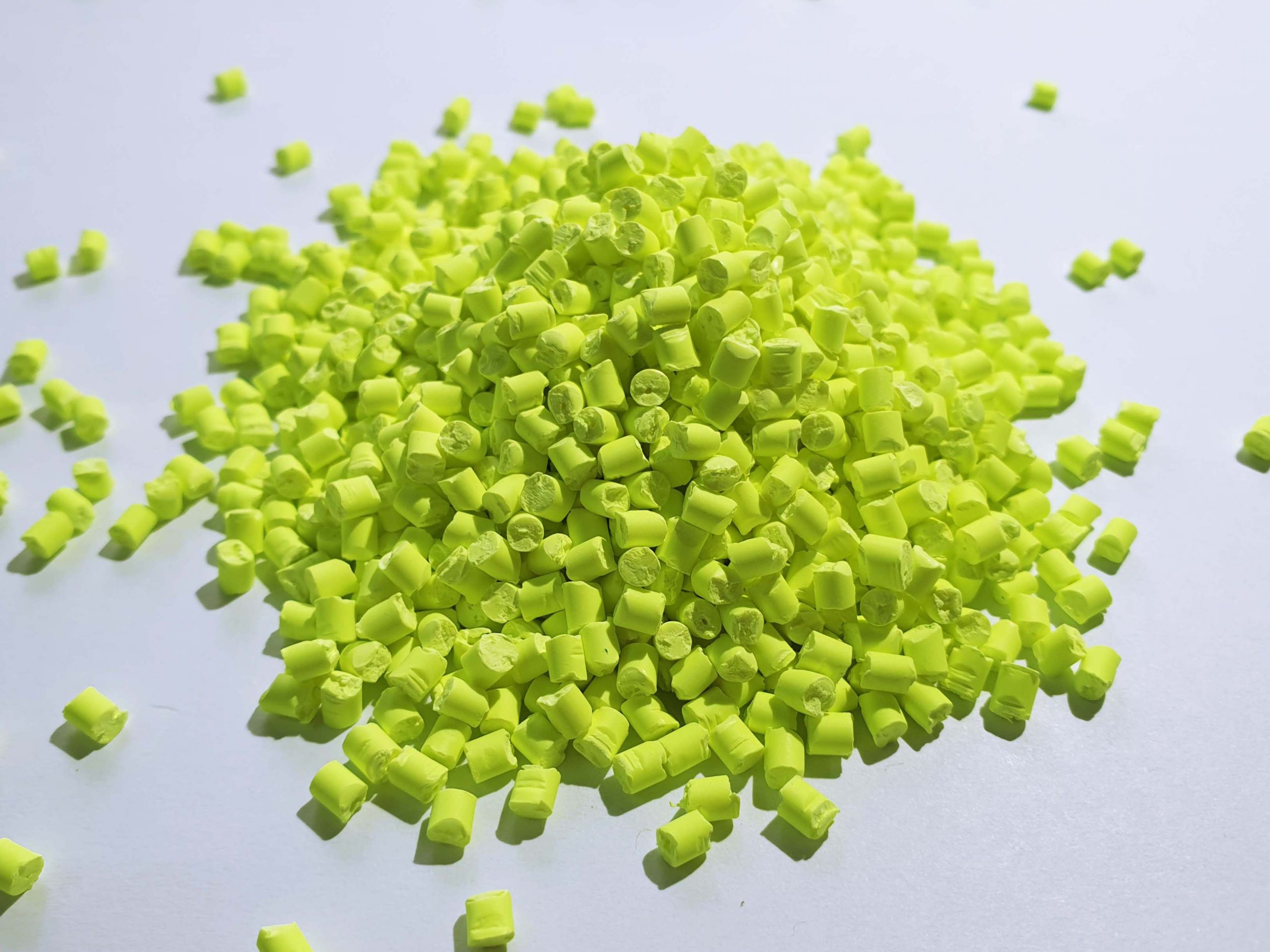
Optical Masterbatch
Optical masterbatch is a specialized plastic additive designed to improve the optical properties of plastic materials, such as transparency, clarity, and light transmission. It comprises a polymer resin, typically polyethylene or polypropylene, and a high concentration of optical additives, such as nucleating agents or clarifying agents.
Key Components of Optical Masterbatch:
- Polymer Resin: The base material of the masterbatch, typically polyethylene or polypropylene, which provides structural integrity and compatibility with the plastic being modified.
- Optical Additives: These additives can include nucleating agents, which promote the formation of a more uniform and crystalline structure in the plastic, and clarifying agents, which help to reduce light scattering and improve transparency.
- Dispersants: Additives that help to disperse the optical additives evenly within the resin matrix, preventing agglomeration and ensuring consistent optical properties.
Uses and Applications of Optical Masterbatch:
Optical masterbatch is widely used in various industries where transparency and clarity are essential. Some of the key applications include:
- Packaging: Optical masterbatch is used to produce transparent or translucent plastic packaging materials, such as food packaging, beverage bottles, and blister packs.
- Medical Devices: Medical devices often require high levels of transparency for visibility and inspection. Optical masterbatch is used to improve the clarity of materials used in syringes, IV tubing, and diagnostic equipment.
- Optical Components: Optical masterbatches can be used to enhance the transparency and clarity of plastic lenses, prisms, and other optical components.
- Automotive Applications: Optical masterbatch is used to improve the clarity of headlights, taillights, and other automotive components.
Advantages of Optical Masterbatch:
- Improved Transparency: Enhances the clarity and light transmission of plastic materials, making them more visually appealing and functional.
- Reduced Haze: Reduces the hazy or cloudy appearance of plastic, providing a clearer and more defined view.
- Enhanced Light Transmission: Increases the amount of light that can pass through the plastic material, improving its optical performance.
- Improved Clarity: Provides a more crystal-clear appearance to plastic products, enhancing their aesthetic appeal.
- Versatility: Suitable for a wide range of plastic applications, including both rigid and flexible plastics.
Disadvantages of Optical Masterbatch:
- Potential for Color Shift: In some cases, the use of an optical masterbatch may slightly affect the color or tint of the plastic material.
- Cost: Optical masterbatch may be more expensive than standard plastic additives due to the specialized nature of its components.
In conclusion, optical masterbatch is a valuable additive for manufacturers seeking to improve the transparency, clarity, and light transmission of plastic products. By understanding its key components, applications, advantages, disadvantages, and considerations, manufacturers can effectively incorporate optical masterbatch into their production processes to create high-quality, optically enhanced plastic goods.
Get in touch with us if you are looking for Optical Masterbatch, 1188 CENTER is available for your needs in terms of trading services. Our company is capable to provide the products according to your requirements and the manufacturers' specifications as well. you can easily send your order and request online via our platform.