
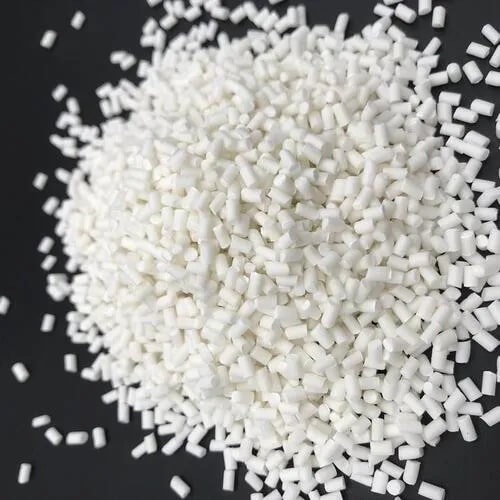
Product analysis:
Anti-Static Masterbatch
Anti-static masterbatch is a specialized plastic additive designed to reduce or eliminate static electricity buildup in plastic products. It comprises a polymer resin, typically polyethylene or polypropylene, and a high concentration of anti-static agents. These agents, often conductive carbon black, metallic oxides, or special chemical compounds, provide a conductive pathway for static charges to dissipate, preventing the buildup of static electricity.
Key Components of Anti-Static Masterbatch:
- Polymer Resin: The base material of the masterbatch, typically polyethylene or polypropylene, which provides structural integrity and compatibility with the plastic being treated.
- Anti-Static Agents: Conductive materials, such as carbon black, metallic oxides, or special chemical compounds, that provide a conductive pathway for static charges to dissipate.
- Dispersants: Additives that help to disperse the anti-static agents evenly within the resin matrix, ensuring consistent static control properties.
Uses and Applications of Anti-Static Masterbatch:
Anti-static masterbatch is widely used in various industries due to its ability to prevent static electricity buildup in plastic products. Some of the key applications include:
- Packaging: Anti-static masterbatch is used to produce anti-static packaging materials, such as bubble wrap, plastic bags, and packaging for electronic components.
- Electronics: Anti-static masterbatch is used to color plastic components in electronic devices, such as circuit boards, connectors, and housings, to prevent electrostatic discharge (ESD) damage.
- Automotive: Anti-static masterbatch is used to color plastic parts in automobiles, such as dashboards, door panels, and steering wheels, to prevent static-related discomfort and potential damage to electronic systems.
- Industrial Products: Anti-static masterbatch is used in industrial applications, such as the production of anti-static flooring, conveyor belts, and work surfaces.
Advantages of Anti-Static Masterbatch:
- Effective Static Control: Provides reliable and effective static control in plastic products, preventing the buildup of static electricity and associated problems.
- Durability: Offers long-lasting anti-static properties that can withstand weathering, UV exposure, and other environmental factors.
- Ease of Use: This can be easily incorporated into plastic production processes, requiring minimal adjustments to existing equipment or procedures.
- Versatility: Suitable for a wide range of plastic applications, including both rigid and flexible plastics.
- Cost-Effective: Offers a practical and economical solution for achieving anti-static properties in plastic products compared to other methods, such as surface treatments or coatings.
Disadvantages of Anti-Static Masterbatch:
- Limited Color Options: Anti-static agents often have a dark color, limiting the color options available for plastic products.
- Potential for Conductivity: In some cases, the addition of anti-static agents can increase the conductivity of the plastic, which may be undesirable in certain applications.
In conclusion, anti-static masterbatch is a valuable tool for preventing static electricity buildup in plastic products. By understanding its key components, applications, advantages, disadvantages, and considerations, manufacturers can effectively incorporate anti-static masterbatch into their production processes to create products that are resistant to static-related issues.
Get in touch with us if you are looking for Anti-Static Masterbatch, 1188 CENTER is available for your needs in terms of trading services. Our company is capable to provide the products according to your requirements and the manufacturers' specifications as well. you can easily send your order and request online via our platform.