
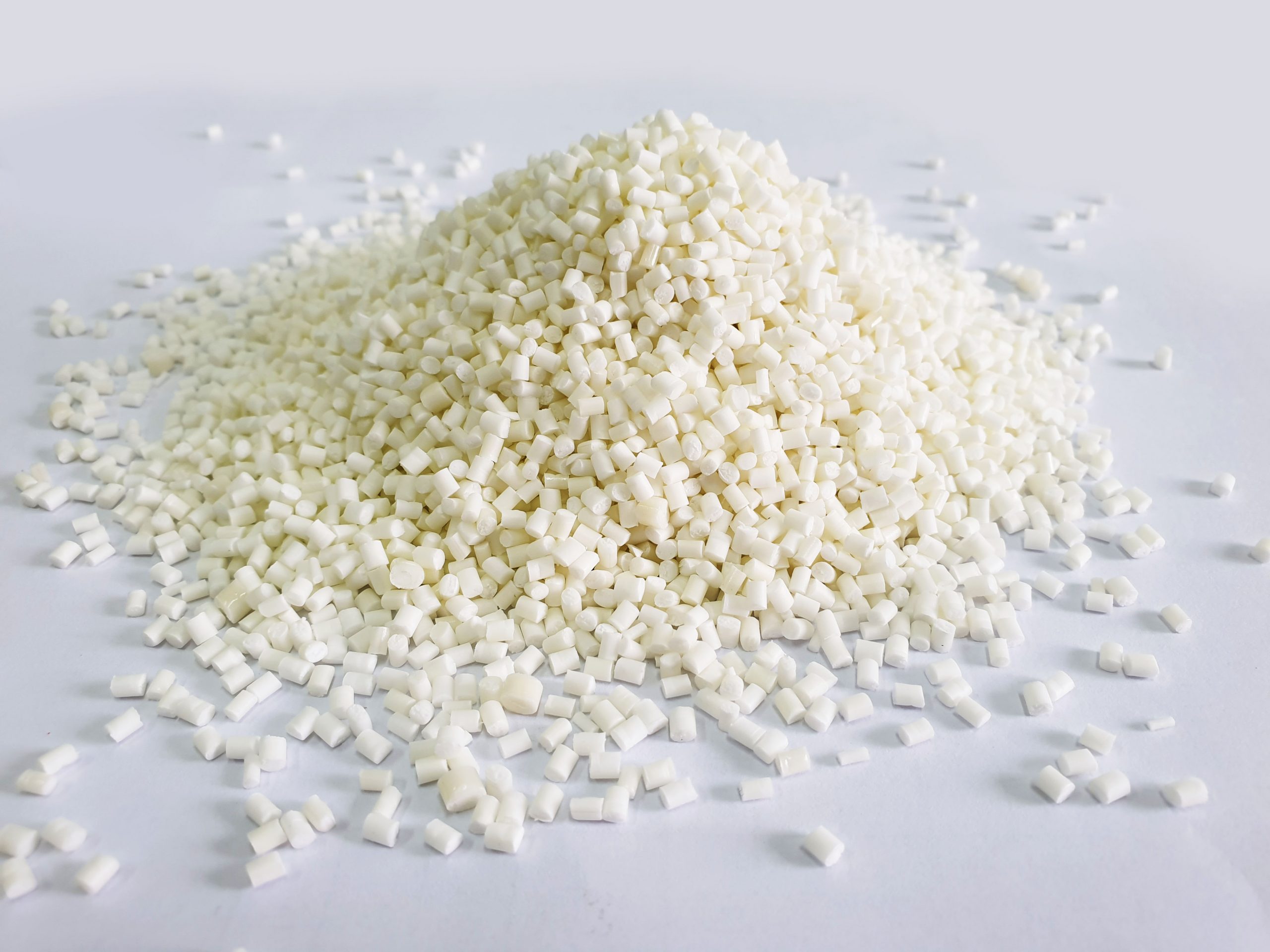
Product analysis:
Flame Retardant Masterbatch
Flame retardant masterbatch is a specialized plastic additive designed to enhance the fire resistance of various plastic products. It comprises a polymer resin, typically polyethylene or polypropylene, and a high concentration of flame-retardant additives. These additives work by disrupting the combustion process, preventing the spread of flames, and reducing the generation of smoke and toxic gases.
Key Components of Flame Retardant Masterbatch:
- Polymer Resin: The base material of the masterbatch, typically polyethylene or polypropylene, which provides structural integrity and compatibility with the plastic being treated.
- Flame Retardant Additives: These additives can be inorganic compounds (e.g., alumina trihydrate, antimony oxide) or halogenated compounds (e.g., brominated flame retardants, chlorinated flame retardants). The choice of flame retardant depends on factors such as the desired level of fire resistance, toxicity concerns, and environmental regulations.
- Dispersants: Additives that help to disperse the flame retardant additives evenly within the resin matrix, preventing agglomeration and ensuring uniform fire protection throughout the plastic material.
Uses and Applications of Flame Retardant Masterbatch:
Flame retardant masterbatch is widely used in various industries where fire safety is a critical concern. Some of the key applications include:
- Electronics: Flame retardant masterbatch is used to produce housings for electronic devices, such as computers, televisions, and smartphones, to minimize the risk of fire hazards.
- Building Materials: Flame retardant masterbatch is employed in the production of various building materials, including insulation, cables, and pipes, to enhance fire resistance and improve safety in structures.
- Automotive: Flame retardant masterbatch is used to color and protect automotive components, such as dashboards, seats, and wiring harnesses, from fire.
- Textiles: Flame retardant masterbatch can be used to treat textiles, such as upholstery fabrics and curtains, to make them less flammable and reduce the risk of fire spreading.
Advantages of Flame Retardant Masterbatch:
- Enhanced Fire Resistance: Improves the fire resistance of plastic products, reducing the risk of ignition and limiting the spread of flames.
- Reduced Smoke and Toxic Gas Emission: This can significantly reduce the generation of smoke and toxic gases during a fire, improving safety and minimizing potential health risks.
- Ease of This can: This can be easily incorporated into plastic production processes, requiring minimal adjustments to existing equipment or procedures.
- Versatility: Suitable for a diverse range of plastic applications, including both rigid and flexible plastics.
- Durability: Provides long-lasting fire protection that can withstand weathering, aging, and other environmental factors.
Disadvantages of Flame Retardant Masterbatch:
- Potential Toxicity: Some flame retardant additives, particularly halogenated compounds, can be toxic or harmful to the environment. The choice of flame retardant must consider regulatory requirements and environmental concerns.
- Cost: Flame retardant masterbatch may be more expensive than standard plastic additives, due to the inclusion of specialized flame retardant compounds.
Considerations for Using Flame Retardant Masterbatch:
- Regulatory Compliance: Ensure that the flame retardant masterbatch complies with relevant fire safety regulations and standards in the target market.
- Toxicity Assessment: Evaluate the potential toxicity of the flame retardant additives used in the masterbatch, especially if the plastic product will be used in environments where human exposure is possible.
- Environmental Impact: Consider the environmental impact of the flame retardant additives, particularly if they are halogenated compounds, which can contribute to pollution.
- Processing Conditions: The processing conditions, such as temperature, mixing time, and shear rate, can affect the dispersion of the flame retardant additives and the overall fire resistance of the plastic product.
In conclusion, a flame retardant masterbatch is a valuable tool for enhancing the fire safety of plastic products. By understanding its key components, applications, advantages, disadvantages, and considerations, manufacturers can effectively incorporate flame retardant masterbatch into their production processes to create safer and more fire-resistant plastic goods.
Get in touch with us if you are looking for Flame Retardant Masterbatch, 1188 CENTER is available for your needs in terms of trading services. Our company is capable of providing the products according to your requirements and the manufacturers' specifications as well. You can easily send your order and request online via our platform.