
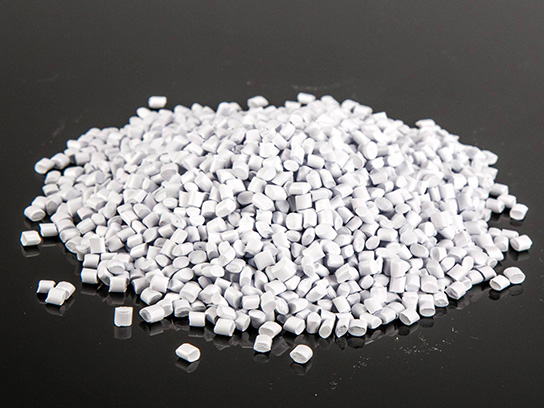
Product analysis:
White Masterbatch
White Masterbatch is a specialized plastic additive designed to impart a uniform white color to various plastic products. It comprises a polymer resin (typically polyethylene or polypropylene) and a high concentration of white pigments, such as titanium dioxide. The pigments are encapsulated within the resin matrix to ensure even dispersion and consistent color throughout the plastic material.
Key Components
- Polymer Resin: The base material of the masterbatch, usually polyethylene or polypropylene, provides structural integrity and compatibility with the plastic being colored.
- White Pigments: Primarily titanium dioxide, these pigments provide the masterbatch with a white color and opacity.
- Dispersant Agents: These additives help to disperse the pigments evenly within the resin matrix, preventing clumping and ensuring a uniform color.
- Antioxidants: To protect the pigments and the resin from degradation caused by exposure to heat, light, and oxygen.
- UV Stabilizers: To prevent the white color from fading or yellowing due to exposure to ultraviolet radiation.
Uses and Applications
- Packaging: Milk cartons, yogurt cups, food storage containers, pharmaceutical packaging.
- Consumer Goods: Toys, kitchenware, home appliances, electronic components (e.g., smartphone casings).
- Industrial Products: Pipes, fittings, automotive parts, construction materials.
- Textiles: To color synthetic fibers such as nylon and polyester.
- Paint and Coatings: As a pigment extender to improve the opacity and whiteness of paints and coatings.
Advantages
- Consistent Coloration: Ensures a uniform white appearance across the entire plastic product.
- Ease of Use: This can be easily incorporated into plastic production processes.
- Cost-Effective: Offers a practical and economical solution for achieving white coloration.
- Versatility: Suitable for a diverse range of plastic applications.
- Durability: Provides a durable and long-lasting white color.
- Improved Process Efficiency: This can help to streamline production processes by reducing the need for manual color adjustments.
- Reduced Waste: This can help to minimize waste by ensuring accurate color consistency and reducing the need for rejects.
Disadvantages
- May Affect Material Properties: In some cases, the addition of white masterbatch can slightly alter the physical properties of the plastic, such as its stiffness or flexibility.
- Limited Color Range: While white masterbatch is excellent for achieving white, it cannot be used to create other colors.
- Environmental Considerations: The environmental impact of titanium dioxide, a common pigment used in white masterbatch, has been a concern. However, there are ongoing efforts to develop more sustainable alternatives.
By carefully considering these factors, manufacturers can effectively utilize white masterbatch to achieve the desired white color in their plastic products while minimizing potential drawbacks and ensuring compliance with environmental and regulatory requirements.
Get in touch with us if you are looking for White Masterbatch, 1188 CENTER is available for your needs in terms of trading services. Our company is capable to provide the products according to your requirements and the manufacturers' specifications as well. you can easily send your order and request online via our platform.